

The customer wants a solution.
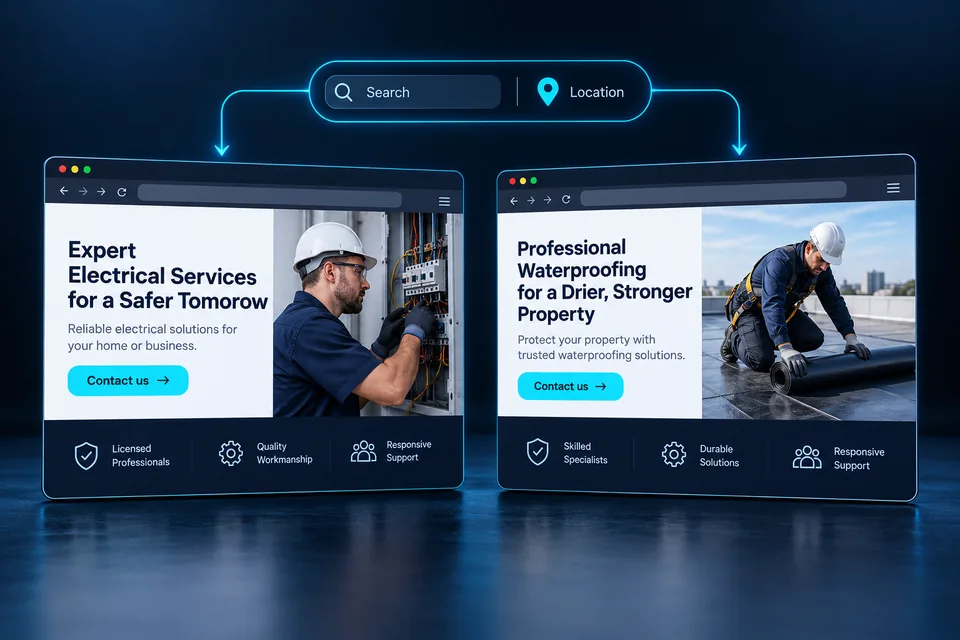
“AC repair” and “AC installation” share an industry but represent different needs. A precise headline helps visitors immediately recognize that they are in the right place.

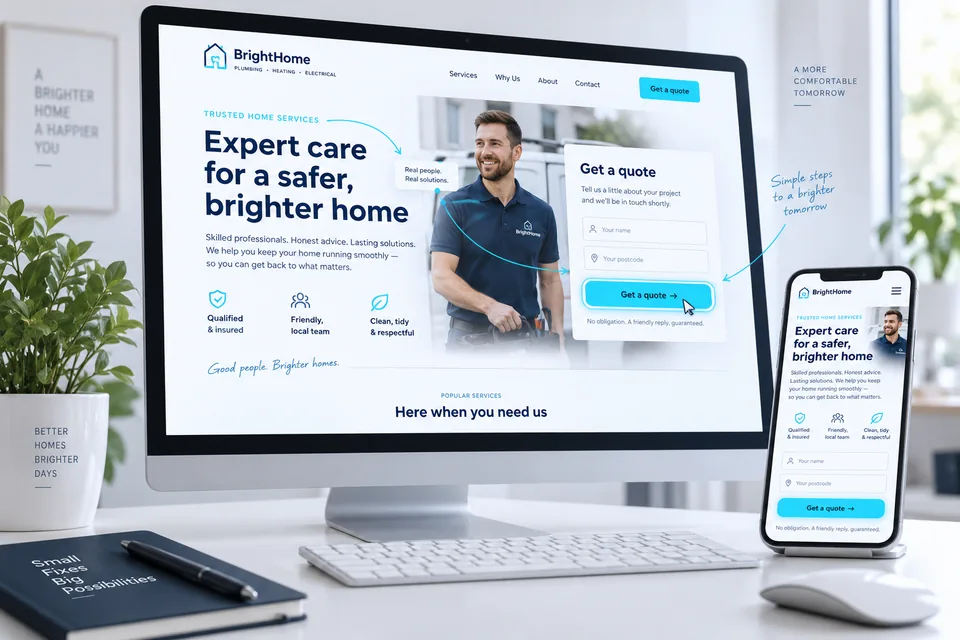
Landing page design and development that connects your business with what customers are looking for. Messaging adapts to the service and location, creating a clear path from interest to inquiry.
Choose a service and city. Watch the headline, content, and next step adapt to what the customer needs.
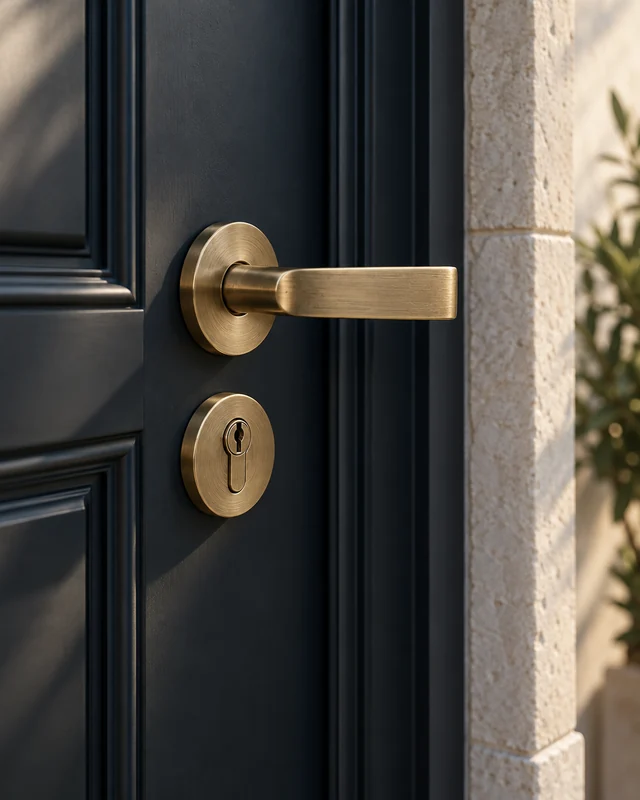
Keys left inside? Tell us about your door and the problem so we can explore the right solution.

Illustrative brand and page. The button opens an inquiry about building a page for your business.
Meet your next landing page
Messaging, design, and technology in one connected experience. Choose where to explore.

Two customers can approach the same business with different questions. A professional landing page should continue the conversation each one started and make the next step clear.
Three connections that matter“AC repair” and “AC installation” share an industry but represent different needs. A precise headline helps visitors immediately recognize that they are in the right place.

Coverage is part of the decision. Credible local messaging reduces uncertainty when it reflects where the business actually operates.
A clear offer, genuine evidence, and a straightforward inquiry process create a useful experience. Dynamic personalization brings them together around the customer's context.
One business. Different needs. A page that connects them.
See personalization in actionBefore they read a word,
they feel your brand.
We design that moment, then turn it into a clear path to an inquiry.

Contrast, scale, and spacing create order. Give the main offer room and direct attention toward what matters.
The image and headline tell the same story, connecting brand character with a clear explanation of the service and its value.
Every stage has a natural next step: reassuring content, a clear action, and a form that completes the experience on smaller screens too.
Design catches the eye.
Relevance gives it a reason to stay.
The same firm. A different experience for each prospect. Choose a practice area and see the image, headline, and message align with the client's need.
Choose the next client your firm wants to reach.
View your selected pageChoose an Israeli region and city for this demonstration. A real firm's coverage is based on its actual practice.
Explore our law firm landing pagesReal estate lawTel Aviv and surrounding areas
Buying, selling, or negotiating a lease? Start by understanding the transaction, identifying the important questions, and planning the legal support you need.

Design example for a fictional firm. The button contacts Landing Page about building a page for your practice; it does not request legal services.
Technology provides the foundation. The difference comes from understanding your business and answering your customers' questions. These three scenarios show the approach.
A customer locked out has a different urgency than someone moving into a new home. We distinguish those needs, write a relevant response for each service, and make the contact action easy to find.
Tell us about the door and what you want to change. We will check the cylinder and mechanism requirements and arrange the next step.
Illustrative layout and copy, not a client website or an active service offer.
New-home installation, AC replacement, and repairs are different services. A dynamic page can provide the right content path for each: a short assessment for a specific issue or a fuller explanation before a project estimate.
Tell us about the property and your project stage so we can explore a solution suited to the need and scope.
Illustrative layout and copy, not a client website or an active service offer.
Post-renovation cleanup, move-out cleaning, and regular office cleaning need different planning. The page can explain the service, preparation, and details required to assess the job for each audience.
How large is the apartment, when does the work finish, and what matters most for the cleanup? A few details will help us plan the next conversation.
Illustrative layout and copy, not a client website or an active service offer.
In a different industry? We start with your services, audience, and recurring customer questions, then build the page around them.
Connect the service with its coverage area. Messaging adapts to a selected city or available context, with a complete default version for every visitor.
A good page starts with understanding the customer.
Choose the level of personalization and see messaging, location, and inquiry come together.
Every customer meets a page that fits their context.
Brands and businesses from Landing Page's portfolio. These examples span home design, professional services and technology.

Shade solutions and outdoor design

Technology and immersive audio

Law firm

Architecture and interior design · Brand illustration

Performances and events

Products for parents and babies

Pest control services

Registered waterproofing contractor

Transparent safety bars
Service and campaign pages built within the company project. Demonstrations and illustrative content are identified on the pages themselves.
Sharpen the message. Build the experience. Connect the inquiry.
Turn your business objective into a landing page built to support it.

Map services, audiences, and coverage. Define what customers search for, what sets your business apart, and the action the page should encourage: a call, estimate request, or appointment.
The objective, audience, value proposition, and definition of a qualified inquiry.
Plan the content sequence: a relevant headline, value proposition, answers to concerns, and genuine evidence. Write calls to action and form questions so every stage prepares for the next.
Messaging, section sequence, and customer inquiry scenarios.
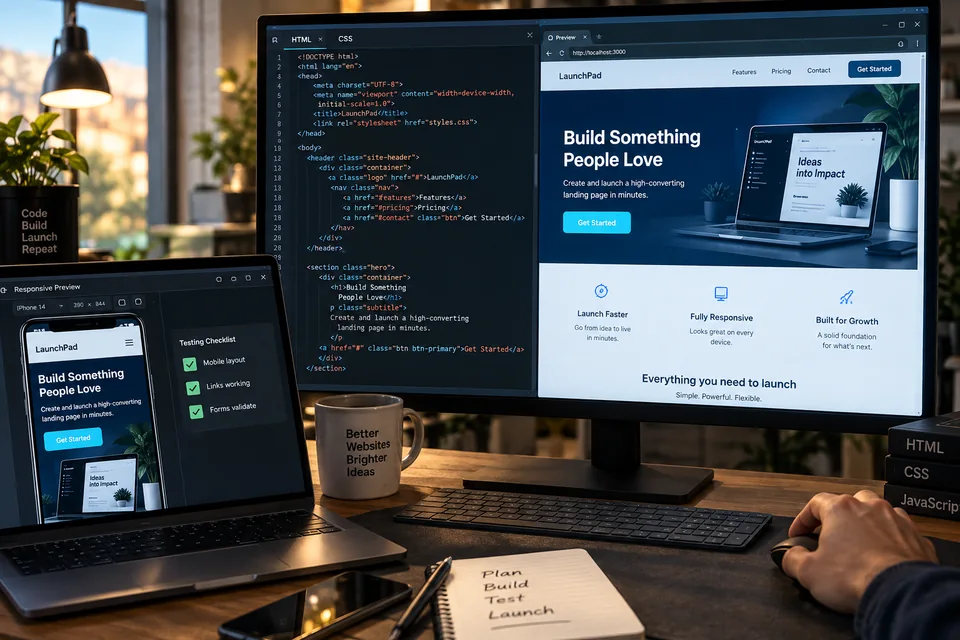
Create a visual language that fits the brand and build a clear, fast page in the agreed language. Adapt hierarchy, forms, and buttons for desktop and mobile, checking that customers understand the offer and the next step.
Design, development, and comfortable use across devices.
Define service and city rules with a default version for missing information. Connect the questionnaire to LEADER and map contact details, answers, and available source data to the appropriate fields.
Content rules, field mapping, and a connected path from the page to sales.
Check personalization scenarios, form delivery, errors, mobile layouts, and measurement. After launch, review the inquiry journey and lead quality, then plan improvements from the collected evidence.
Functional checks, measurement, and a starting point for ongoing improvement.
A professional landing page brings messaging, design, technology, and sales together. At every stage, we define the decisions and deliverables needed to move forward.
Map the audience, core services, coverage, and business advantages. Define a qualified inquiry and the action you want the customer to take.
Write a clear opening, service details, answers to concerns, and calls to action. A dynamic version also defines service-specific messages and a complete default when personalization context is missing.
Bring typography, color, imagery, and motion into one visual language. Create a hierarchy that communicates the offer quickly while allowing deeper exploration on desktop and mobile.
Implement the design, personalization, and form. Define CRM fields and source attribution, then test success and failure scenarios before launch.
Review links, forms, practical accessibility, and layouts. Implement the agreed measurement events, test the inquiry path, and leave an organized foundation for future improvements.
Deliverables, versions, integrations, and support are defined in the package and project scope. Compare packages
An impressive page is the beginning. Our conversation focuses on the services you want to promote, the customers you want to reach, and what will help the right person take the next step.
Which inquiries to attract and which are less suitable.
The messaging, examples, and personalization that support relevant inquiries.
Scope, integrations, and the information needed for a proposal that fits.
Send your details → We arrange a time → We discuss your business.
Submitting a request does not place an order.
Three packages for a professional landing page.
Start with your business objective, then choose the content, personalization, and integrations it needs.
A strong start. A focused message.
For a business presenting one core service, building trust, and giving visitors a clear way to inquire.
Audience focus, value proposition, and copy for up to 7 sections.
Responsive design and development for desktop and mobile.
Headlines and service-area content for up to 3 locations.
Contact details, requested service, and available source information.
Metadata, content structure, and a form-submission event.
One prelaunch revision round and functional checks.
One service. A clear offer. A professional starting point.
Custom proposal based on your project scope
One page. More ways to connect.
For a business with several services and locations, connecting the customer's search with the experience they find.
Strategy and copy for up to 3 services and 10 sections.
Headlines, messaging, and calls to action for up to 8 service areas.
Questions that clarify the need before the conversation.
Mapped questionnaire answers, service selection, and available source data.
Event setup for forms and contact buttons.
Two revision rounds and a review meeting within 30 days of launch.
Make relevance part of the customer experience.
Custom proposal based on your project scope
More services. More possibilities.
For a business with broad coverage, multiple audiences, and a sales team that needs richer lead information.
Strategy and copy for up to 6 services and 14 sections.
A structured personalization map for services and locations.
Tailored messaging and questions for two customer types.
LEADER field mapping and one automation, such as assigning inquiries to a team.
Two headline or form variants and setup for one A/B test.
Three revision rounds and an optimization meeting within 60 days of launch.
A foundation for broader campaigns and evidence-based improvement.
Custom proposal based on your project scope
Each package covers one primary landing page. Final scope and pricing are confirmed in a written proposal. Domain, hosting, third-party licenses, media spend, and ongoing management are priced separately. A/B testing and performance reviews depend on sufficient data. Integrations and automations depend on your systems' capabilities and access.
A business landing page should be clear to customers, useful to sales, and ready for improvement. We build the experience as a whole.
Adapt headlines, copy, and calls to action to the campaign's defined search intent. Someone looking for installation has a different need from someone seeking a repair.
Map search groups by service and need, then write a complete response for each. Personalization can include benefits, explanations, and button copy so the same message runs through the page.
Adapt service-area content to a selected city or available campaign location signal. Show relevant local information without inventing branches or availability.
Define where the business actually operates and let customers correct the selection. Carry the location into content and follow-up without assuming the device's location is where the work is needed.
Clear hierarchy, natural copy, well-placed calls to action, and comfortable mobile use. Evaluate every component by how it helps customers understand the service and get in touch.
Build a reading sequence from offer to evidence to answers. Test longer content variants and phone use so the design remains comfortable in every scenario.
A short, guided questionnaire captures industry, service area, goals, and contact details. Start the conversation with business context, not just a phone number.
Ask only what helps plan or handle the inquiry. Show progress, allow corrections, and retain answers throughout. Clear messages explain missing information and submission outcomes.
Contact details and questionnaire answers move into the lead-management system. Available source and campaign information connects advertising with sales follow-up.
Define field mapping and test information delivery. Service, area, answers, and available source data give the team a useful starting point.
Define conversion events, assess lead quality, and test headlines, offers, and forms. Make decisions from actual data and available traffic volume.
Separate engagement from received inquiries, and lead volume from lead quality. Choose a focused improvement and document it so decisions go beyond intuition.
A professional landing page starts the relationship.
A connected CRM helps your team continue it.
Connect the form to LEADER so contact details, requested service, and answers arrive together. Manage follow-up stages, record conversations, and understand what happened after the customer left the page.
Lock cylinder replacement request
“I've moved into a new apartment and would like to arrange a visit.”
Contact the customer and clarify the need.
Contact details, service, city, and form answers arrive together in LEADER. Sales receives the context the customer already shared.
Name, contact information, and questionnaire answers transfer to the lead record according to the agreed field mapping.
Preserve service, location, and available source data to begin a conversation that understands the need.
Team updates connect the inquiry with its outcome and inform improvements to messaging and process.
Workflow illustration using fictional customer details, not actual system screenshots. Statuses, automations, and fields are defined during planning. Tracking depends on available data and sales-team updates.
Texture, light, and movement.
A visual language that connects brand precision with the customer's experience.
Swipe for more images · Select an image to enlarge
Six perspectives on the product we build: presence, design, location, intent, strategy, and adaptability. One visual language connects the first impression with the next action.
01 / PresenceColor, typography, and texture create one identity. Carry that feeling onto the screen, from the opening to the final form detail.
02 / DesignClear structure, readable content, and images chosen for a reason. Design the reading journey and the moments that shape a decision.
03 / LocationThe service area is part of the story. Connect it to useful content and the business's actual ability to deliver.
04 / IntentWhat customers came to find should be answered on the page. Align the service, explanation, and action with that intent.
05 / StrategyStart with the audience, offer, and customer questions. Build design and development on those decisions.
06 / AdaptabilityDefine approved content variants, test the connections, and maintain a consistent brand in every scenario.
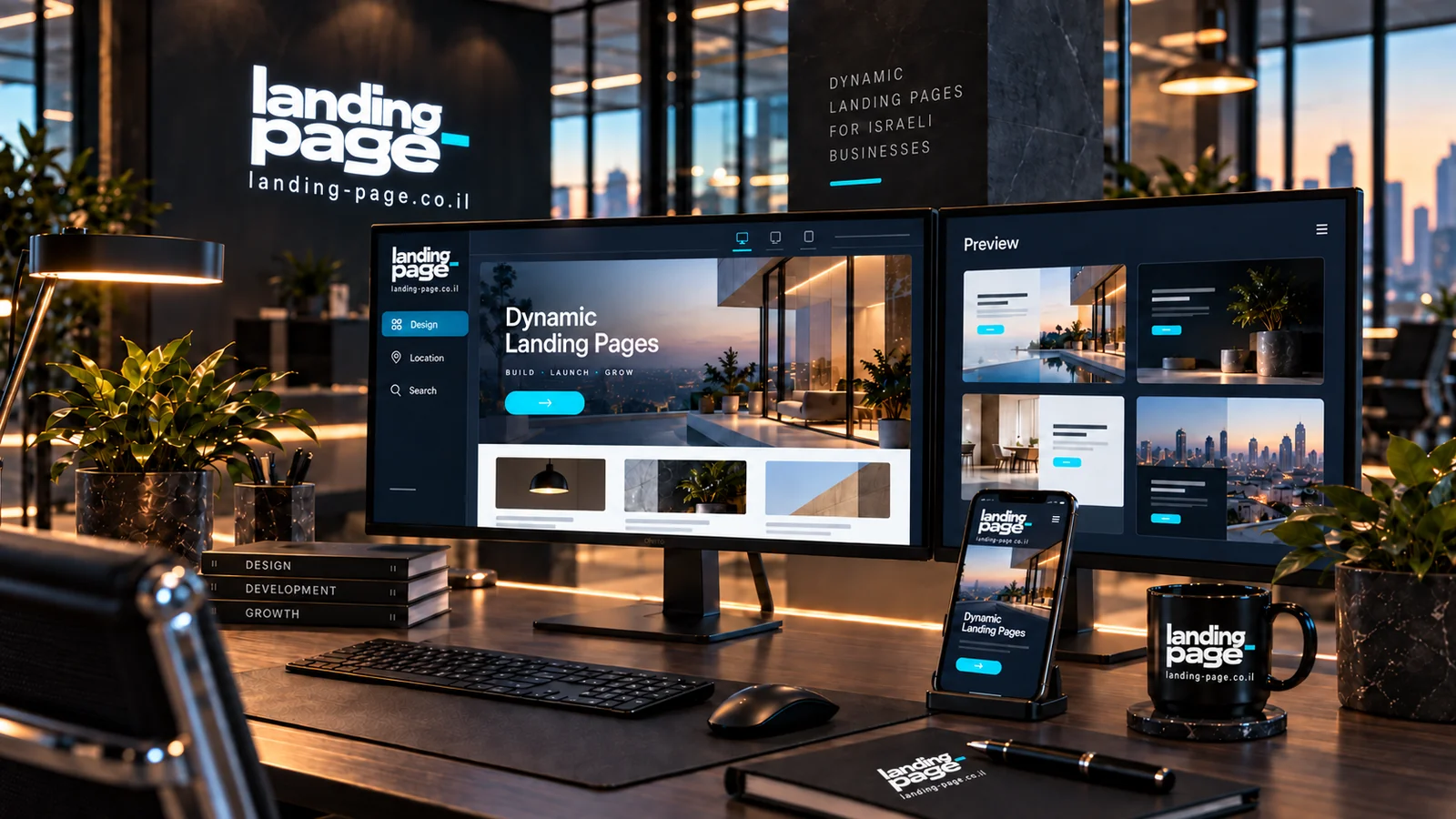
AI-generated brand visualizations illustrating the design language. They do not depict actual offices, employees, or client results.
A conversion-focused page helps customers understand the offer, feel confident, and take the next step. Content, design, and technology should support the same decision.
This is how we approach landing page development and conversion improvement, from the first message to lead quality.
The first screen should confirm that the service fits the visitor's need. If the ad promotes door unlocking in Haifa, the headline, explanation, and action should continue that topic. Dynamic pages adapt to approved services and areas while retaining a complete default when context is unavailable.
Door unlocking in Haifa: describe the problem, assess suitability, and arrange a visit based on availability.
Compare inquiries by service, city, and source. Look for gaps between the ad's promise and the questions customers ask on calls.
Google's guidance on matching ads and landing pagesA strong value proposition describes a relevant benefit and explains how it is delivered. Clarify what the service includes, what the customer needs to provide, and what happens after contact. Visual hierarchy should lead from need to solution, through evidence, to the next step.
For a cylinder-replacement page: check door compatibility, explain options, and arrange the work in advance.
Ask someone unfamiliar with the business to read the opening and explain the offer and next step in their own words.
Before sharing details, visitors need to know who provides the service. Relevant work, attributable customer testimonials, and a clear process help them evaluate the business. Put evidence beside the claim it supports so customers do not have to search for it.
Alongside mobile design services, show a real project and explain how its form was planned for smaller screens.
Collect recurring concerns from sales conversations and check whether the page answers them with appropriate evidence.
Every form question should help with follow-up. A short form may suit a simple service; a multistep flow can clarify service, location, or customer type. Choose around the need and let people move back and forward without losing answers.
“Request an introductory call,” with a short explanation: leave your details so we can contact you and discuss your needs.
Check where people stop, which fields trigger errors, and whether the answers help the team.
GOV.UK principles for planning form questionsOn smaller screens, spacing, text size, and layout stability affect usability. Keep the main action accessible, prevent the keyboard from hiding important fields, and avoid image-loading shifts. Motion should support understanding and respect reduced-motion preferences.
Core Web Vitals targets for a good experience: LCP at or below 2.5 seconds, INP at or below 200 milliseconds, and CLS at or below 0.1 at the 75th percentile of visits. These are industry thresholds, not measured scores for this site.
Use PageSpeed Insights and available field data to identify bottlenecks. Good loading performance supports the experience but does not guarantee a particular conversion rate.
Official metrics and thresholds on web.devDefine success before optimizing: a received inquiry, qualified lead, appointment, or sale. LEADER integration can attach answers and available source data. Sales-team updates complete the picture of what happened next.
Example hypothesis: explaining what happens after submission will reduce uncertainty. Compare completion rates while also checking whether the leads fit the service.
Plan sample size and test duration around traffic, baseline conversion, and the change you want to detect. Before-and-after comparisons alone can be affected by seasonality and audience changes.
A conversion rate means something when you know what was counted, who visited, and what happened after the inquiry.
Compare periods or versions using the same definitions of a visit and inquiry. A button click alone is not a received inquiry.
Define fit with the sales team: services, locations, and needs the business can meet.
Match spend and leads to the same source and period. Report setup, management, and software costs separately.
Industry, source, price, urgency, and the conversion definition affect results. Start with reliable measurement, identify a real obstacle, and test a focused change. The goal is more relevant inquiries and a better process for customers and the business.
Read the complete conversion guideWhat happens when more visitors become inquiries?
Move the slider, choose a scenario, and explore the numbers. This example uses Israeli shekels (ILS).
Illustrative values. You can enter your own conversion rate.
A 2-percentage-point increase in conversion rate. ILS 125 less in media cost per inquiry.
The calculator shows what could change numerically. The process shows how to investigate it in practice: consistent measurement, sales feedback, and changes you can explain.
Count visits and received inquiries, and define the conversion. Separate a clicked button from an inquiry actually received.
Identify which inquiries fit the service and location, who was reached, and what stopped others from progressing. Connect page data with sales feedback.
Form a hypothesis about a headline, explanation, evidence, or form. Choose the metric, audience, and comparison method, and record campaign changes.
Review sufficient data and downstream outcomes. Adopt a useful improvement or document the learning and choose another test.
Consistent definitions reveal where to focus. More inquiries are a start; service fit and effective follow-up complete the picture.
A standard page can work very well for a single offer. With several services or locations, dynamic personalization manages different messages within a shared framework.
| What are we comparing? | Standard landing page | Dynamic landing page |
|---|---|---|
| Headline and message | One message for all visitors | Messaging based on predefined scenarios |
| Location | A general coverage description | Local content based on available context or selection |
| Search intent | One primary offer | Adaptation across services and intents |
| Forms and CRM | Integration and measurement are possible | Personalization context can also be passed along |
| Maintenance | Relatively simple with few versions | Requires management and testing of personalization rules |
| SEO | Built on useful content and sound structure | Also requires a complete default and canonical URL planning |
Design, content, and development should work together. We plan pages for comfortable reading, the customer's device, and ongoing content and measurement work.
The page includes complete default content without a keyword or city. Clear headings organize services, benefits, and questions, written for people making a decision.
A primary heading, content structure, and internal linksTest every headline variant, the reading order, and forms on narrow screens. Keep text readable, buttons accessible, and corrections possible without starting over.
Responsive layouts, readability, and comfortable interactionSize images appropriately, reserve media space during loading, and use motion purposefully. Test responsiveness and layout stability too.
Optimized media, deferred loading, and layout checksDefine page titles, descriptions, a sitemap, and preferred URLs for similar content. Expert guides and service pages add depth around real customer needs.
Metadata, sitemap, and internal linking plansDynamic personalization can make an experience more relevant. Organic growth also requires useful content, maintenance, and ongoing work. The foundation supports that process without guaranteeing rankings or a particular conversion rate.
Build a foundation for SEOFrom planning to lead follow-up, these are the disciplines we connect. Deliverables, integrations, and support are defined in a written proposal.
Define the services to promote, ideal customers, and the change the project should support.
A clear direction before design beginsWrite headlines, answers, and examples around the need that brought the customer to the page.
An offer people can understand and evaluateConnect visual design, hierarchy, and mobile layouts so visitors can understand, engage, and inquire.
A clear experience on every screenDefine service and location scenarios, then test personalization and form behavior.
A dynamic page built to the agreed scopeMap business details, needs, and available source information into your lead-management system.
Less repeated discovery on the first callSeparate clicks, received inquiries, and business-fit leads to understand what needs improvement.
A measurement plan connected to salesWant to understand what your project really needs?
Building a page you can stand behind requires understanding the service, the customer, and the details. That work connects impressive design with a useful business tool.
What customers ask, why they choose you, and where they hesitate become the messaging, content, and presentation of your offer.
The ad, page, form, and first conversation should speak the same language. Plan what information moves between them so customers and the team can progress easily.
Review structure, copy, and screen layouts together. Check that the service is clear, promises are accurate, and form questions support the process.
A new service, another location, or improved messaging should fit the existing structure. Define content and components that can expand with the business.
Understand the productConnect what customers search for with the message, image, and action they encounter.
Design & user experienceDesign decisions that guide attention, explain value, and make contact easier.
Before you get startedFrom the first brief to launch: what to plan, prepare, and test.
What to know before we begin.
A dynamic landing page presents approved content variants based on context: a campaign keyword, city, service area, or visitor selection. Design remains consistent while the headline, explanation, and call to action can change. The goal is continuity between the ad and page, helping customers recognize a relevant service.
Not on every visit. Organic search generally does not reveal the visitor's query to the site. Paid campaigns can pass parameters such as the keyword that triggered the ad, which may still differ from the exact search. We use approved variants and a default version rather than claiming to identify every query.
It can use a city passed in the campaign link, an explicit visitor selection, or an approximate location where supported. Location estimates are not always accurate. This site allows manual city selection and recognizes approved city parameters. It does not use GPS without a visitor's action and permission.
Relevant personalization can reduce the gap between expectations and the page, but no fixed improvement is guaranteed. Traffic quality, pricing, offer, speed, and follow-up also affect results. Measure the impact under comparable conditions and include lead quality in the assessment.
A business website presents the broader company, usually with several services and browsing paths. A landing page focuses on a particular offer and action. They can work together: a website builds trust and expertise while dedicated landing pages serve campaigns and search intents.
Yes, when it is crawlable, offers useful original content, and answers the search intent well. Dynamic pages also need complete default content. Campaign personalization does not replace SEO work on content, links, performance, canonical URLs, and Search Console monitoring.
Name, phone, email, business name, service area, and questionnaire answers. Available source and campaign details are also included. Mapping connects them to the appropriate LEADER fields. Information is submitted only when the visitor sends the form and agrees to follow-up about the inquiry.
We can plan around existing ad groups, keywords, and service areas. Before changing destination URLs, we check conversion tracking, campaign parameters, the default version, and form behavior. Scope depends on the campaign structure and connected systems.
Pricing depends on personalization scenarios, content and design scope, integrations, and measurement requirements. Planning separates page development, hosting and maintenance, media spend, and campaign management. Once the need is clear, we provide an organized scope and proposal.
Businesses with distinct services, audiences, or territories: home service professionals, professional firms, local businesses, brands, and companies serving several customer types. With limited traffic or a simple single offer, a focused static page may be the better starting point.
Tell us what you offer, to whom, and where.
We will get to know the business and build a direction that fits.