Multiple services or audiences raise a familiar question: how many landing pages do we need? More is not automatically better; every page needs content, testing and upkeep. Our landing page approach maps services, audiences and inquiry journeys before deciding which URLs and variations to build.
Separate pages when audience differences justify distinct content or journeys. Small changes in city names or keywords alone do not justify a site full of near-duplicates.
What types of landing pages are there?
Classify pages by goal—service inquiries, event registration, resource downloads or purchases—and by operation: permanent, campaign-specific or dynamic. These are separate choices: what customers should do and how the offer is presented.
| Type | Suitable use | What needs maintenance |
|---|---|---|
| Permanent service page | An established service with recurring questions | Explanations, evidence and contact details |
| Campaign-specific page | A defined offer, audience or period | Offer validity and alignment with ads |
| Registration page | An event or resource with a clear next step | Dates, confirmations and instructions |
| Dynamic page | Related contexts sharing a structure and offer | Personalization rules and a default version |
Still defining your goal? Start with what a landing page is and how to plan one, then choose a structure around your actual operations.
Several audiences.
One organized plan.
- A different need
The customer asks a different question
- A different offer
Content and evidence change
- A different journey
Follow-up needs a different process
Map customer needs before assigning URLs
A keyword list is input, not a site plan. Different phrases can express one need, while one broad phrase can conceal several. Group by service, decision stage and customer questions. Use conversations and lead data as well as research tools.
Planning HVAC for a new home differs from repairing a broken AC: one may need project examples and consultation; the other needs fault details, coverage and availability. Two ways of asking for AC cleaning may need the same answer, not separate pages.
- Define the central customer question for each group.
- Identify the offer and evidence that answer it.
- Decide which form details and follow-up owner are needed.
- Record shared elements and what justifies separate content.
Our law firm landing page distinguishes family matters, real estate transactions and criminal proceedings. For trade and service-business pages, grouping starts with job type and assessment details.
Purpose also changes success metrics: a webinar landing page should support actual attendance, while an online course sales page should explain the learning experience and student fit.
 Planning & setup
A shared brief connects business goals, audience needs and project deliverables.
When to separate pages—and when to keep one
Separate pages suit materially different offers, evidence or follow-up. Residential and commercial customers may need distinct scopes and questions. Splitting every minor variation instead increases stale information and inconsistency risks.
Traffic volume also affects the plan. Spreading a small audience across too many pages makes it harder to learn from each version. That does not mean forcing unrelated services onto one page. Start with a structure you can maintain and measure, then expand when the evidence supports it.
Where do dynamic landing pages fit in?
When audiences share a common structure, dynamic content can adapt the headline, explanation, service area, or call to action using an approved campaign value or the visitor's selection. The page must still work without that information. Personalization does not mean knowing every visitor's search, and it should never introduce details the business cannot verify.
For example, one page structure can support several areas the business actually serves, with the selected location saved alongside the inquiry. If service terms differ by location, the explanation should reflect that. Changing a city name alone is not enough when pricing, availability, or scope also changes.
Explore our dynamic landing page demo and the guide to dynamic content. Choose the technology after defining the content structure and business rules.
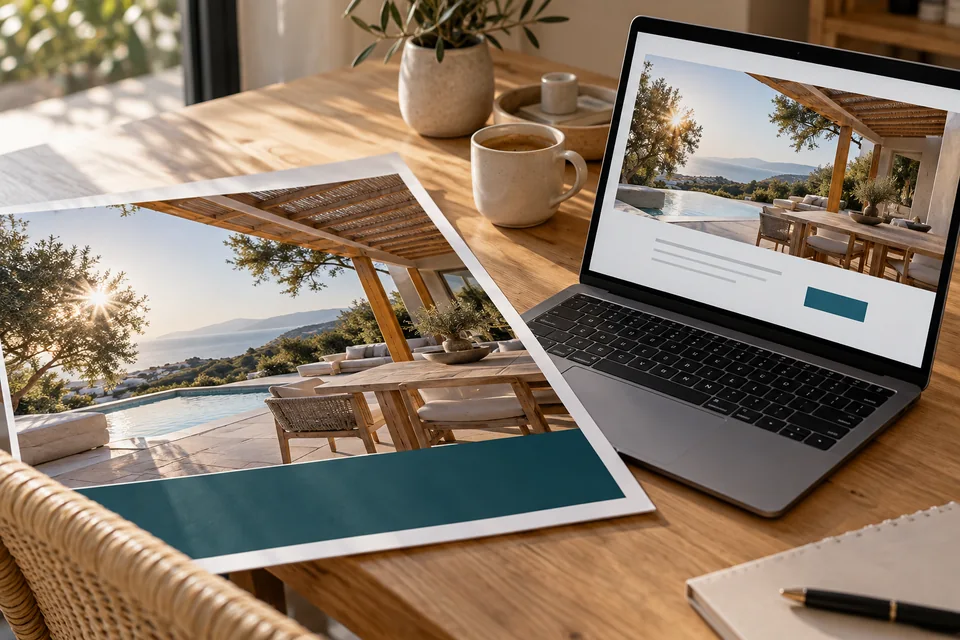 From ad to landing page
An ad sets an expectation. The page's image, headline and offer should continue that conversation and make the next step clear.
Landing pages and SEO: give every URL a clear purpose
A page intended for organic search should provide a useful answer and be accessible through links on your site. A different title on identical content does not necessarily create new value. When several URLs answer the same question without a meaningful distinction, visitors also struggle to find the primary page and current information.
Connect service pages with guides that answer related questions, using descriptive link text. Google recommends crawlable links and natural wording that explains the destination. Every link does not need every keyword. Google's guidance on internal links and anchor text
For near-identical versions, consider whether a preferred URL is needed. That technical decision is separate from content quality. Distinct pages serving different intents should retain their own identity. Learn more in our landing page SEO guide.
How do you compare page performance?
Start with consistent definitions: a visit, a received inquiry, and a qualified inquiry. A page producing many leads for an unprofitable service is not necessarily better than one attracting fewer, better-fit projects. Record the service, page version, and available traffic source alongside the outcome, in line with your privacy and measurement settings.
A higher inquiry rate does not prove that one design won. The offer, source, price, or urgency may differ. Define what you want to learn before testing and minimize unrelated differences. Our campaign conversion guide explains the process.
 Measurement & conversion
Separate visits, actions and qualified inquiries to identify what really needs improvement.
Who keeps the pages accurate?
Assign a business owner and a technical owner to every page, even if one person fills both roles. Changes to phone numbers, service areas, offers, or lead systems must reach every relevant page. Shared components help, but they do not replace clear ownership.
- Maintain a URL inventory with each page's service, campaign, and last review date.
- Document which information is shared and which belongs to a specific offer.
- Check forms and links after changing an external integration.
- When a campaign ends, decide whether to update, remove, or appropriately redirect its page.
- Keep a change history so you can connect page updates with results.
Expired promotions should not remain unexplained. Automatically redirecting every old page to the homepage can also erase the visitor's context. Assess whether a relevant replacement exists and how the decision affects existing ads and links.
Before expanding, define technical ownership too. Our landing page development guide covers forms, integrations, and maintenance so every version remains useful over time.
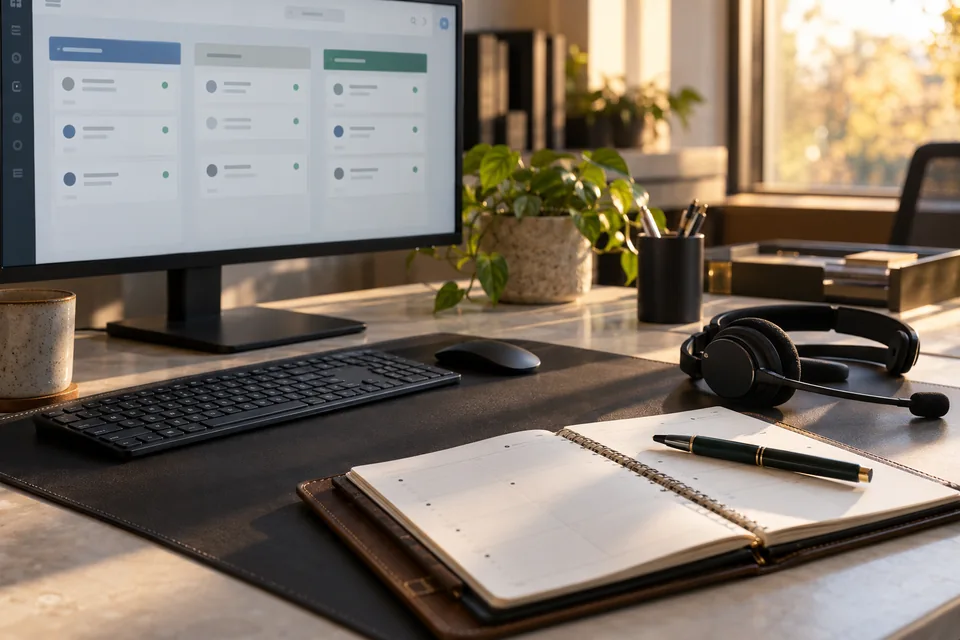 Inquiries & follow-up
Connect each inquiry to its source, assign follow-up ownership and track qualification and the next conversation.
Build a page plan you can actually start with
Begin with your most important services and the audiences you can serve most clearly. For each, prepare an offer statement, common questions, and supporting evidence. Build the first page, verify lead delivery, and learn from the conversations. Then expand, reusing what works and creating distinct content where it matters.
Our landing page planning and development process connects strategy, content, design, and sales operations. The plan should explain why each page exists, how visitors reach it, and what happens when they inquire—not just how many pages you will build.
Landing page questions
Do I need a landing page for every keyword?
No. Searches expressing the same need can share a page. Create another page when a meaningful difference calls for different content, an offer, or an inquiry process.
Should I create a page for every city?
Only when there is useful, genuine local information. Swapping a city name is not a substitute for helpful content. Dynamic personalization may work when the service and structure are shared and the business actually serves the locations shown.
Do more landing pages guarantee more organic traffic?
No. Results depend on content usefulness, discoverability, crawlability, and search competition, among other factors. Expand around real questions and needs, then measure visibility and qualified inquiries after launch.
From reading to project planning
To put your page plan into practice, define one process for approvals, infrastructure, and measurement. Our guide to launching a landing page and comparing proposals helps scope each page. For audience or service personalization, explore our dynamic landing page solution.
Images in this guide were created with AI for illustration. They do not depict actual clients, team members or campaign results.