

Why does the service area influence the decision?
Before checking prices or submitting a form, customers want to know whether you serve their location. For a local business, geography is part of the offer. Clearly naming the city or region can save visitors another search and reduce inquiries from outside your coverage.
Local messaging must reflect reality. A business serving Haifa, Israel, can say so without having an office in every neighborhood. You do not need a nonexistent local address to explain where service is available.
The type of inquiry determines which local details matter. A plumber's landing page should clarify coverage and scheduling. A law firm's landing page may also need office details and meeting options.
Location means different things in different industries. A real estate landing page addresses fit with the property and neighborhood; a clinic landing page also explains directions and scheduling to help prospective patients take the next step.
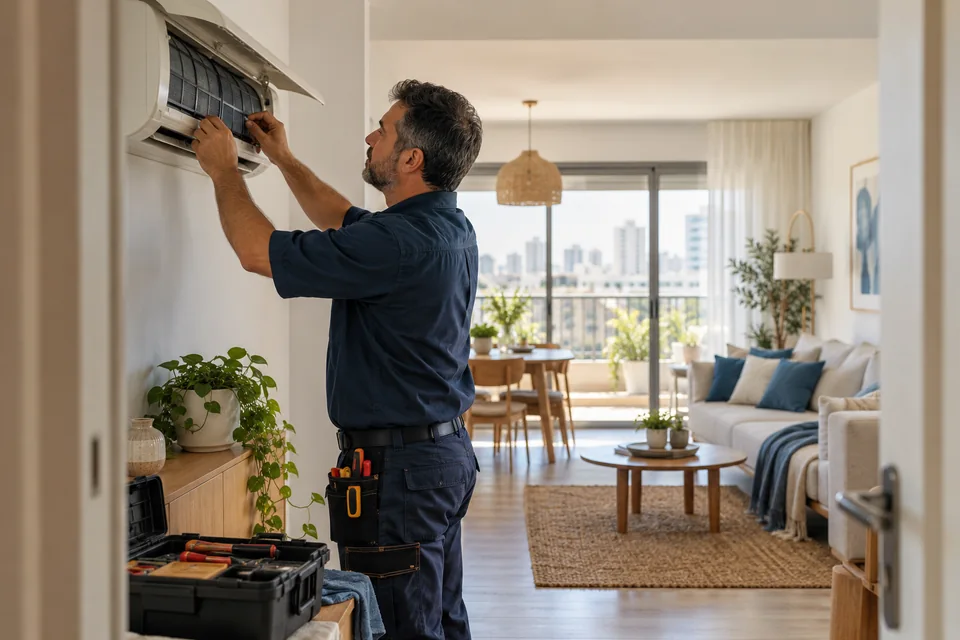 Service businesses
Images showing the work help customers understand what you do. For real projects, prioritize original photography from the field.
Three ways to establish local context
A straightforward approach is to pass an approved city through a dedicated campaign link. You can also let visitors choose their service area. Where appropriate infrastructure exists, an approximate location signal may help, but it can be missing or inaccurate.
A visitor's physical location is not always where service is needed. Someone may search for an office in another city or book a service for a relative. An easy manual selection can be more useful than a location guess that cannot be corrected.
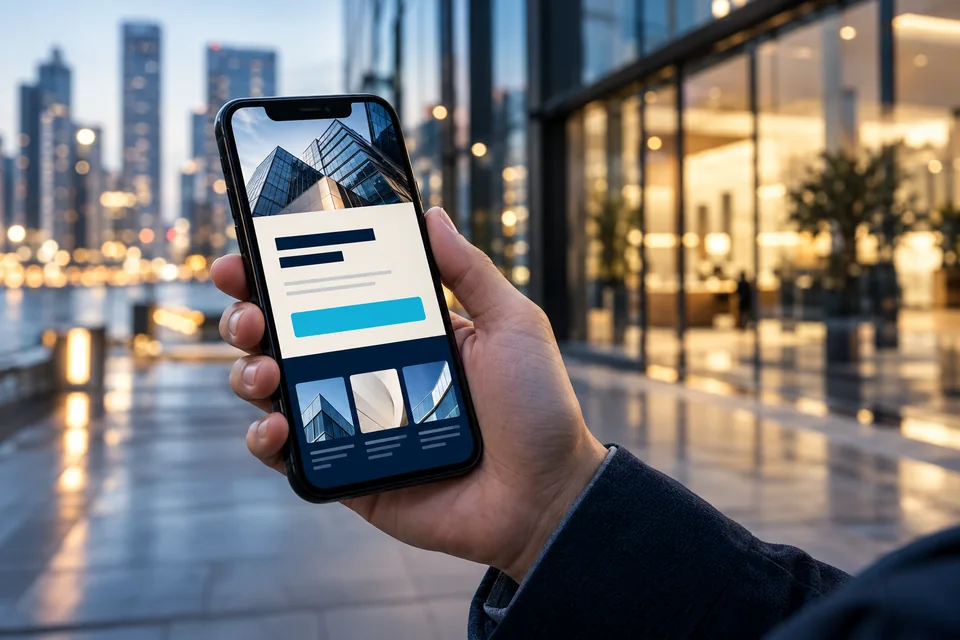 Mobile & performance
On mobile, the message and next action should be easy to find and use.
What if the location is unknown?
Show a useful general version. Describe your actual coverage and invite visitors to choose a city. Missing information should never produce a broken headline, empty content, or an unsupported location.
Even when a location is provided, check it against the approved service-area list. Good personalization handles unsupported cities and multiple coverage areas. The content should remain clear in every case.
Local content is more than a city name
Useful local messaging explains the service available, how to schedule it, and what to prepare before contacting you. Show a real local project if you have verified details. If you do not, there is no reason to invent a customer, image, or result.
Use natural language and details that help people decide. Repeating a city name is no substitute for a clear explanation. On a short page, a location in the headline, a practical description, and a service-area form field may be enough.
Before creating a separate URL for each area, ask whether readers will receive distinct information. Our landing page planning guide explains when to separate pages and when to use shared content with local personalization.
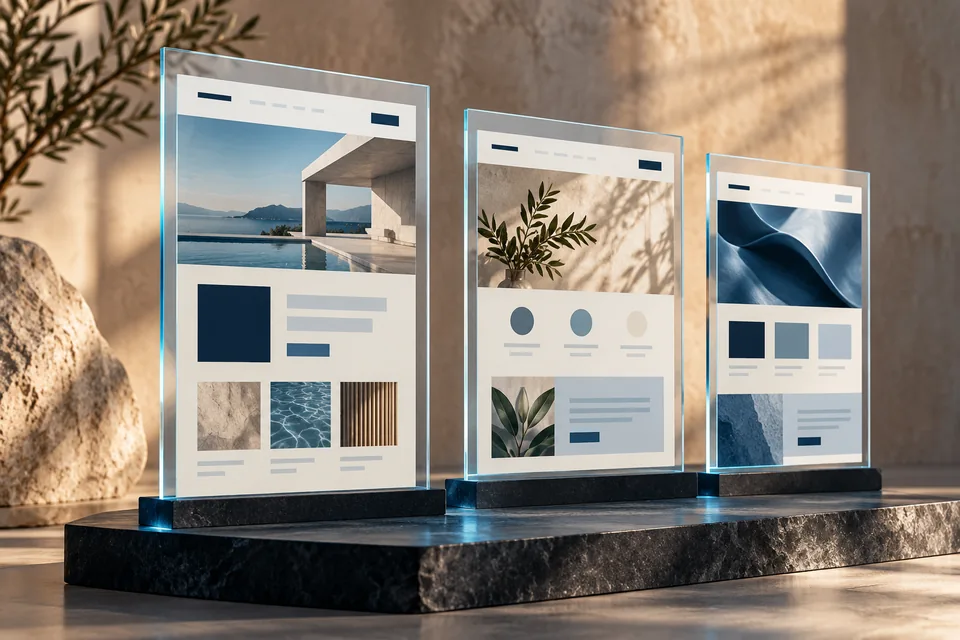 Dynamic personalization
Headlines, images and calls to action adapt together according to a predefined content scenario.
How does local personalization work with SEO?
Not every city needs its own page. A standalone local page makes sense when it offers distinct value: a different service, an actual local team, or useful information about coverage. If only the place name changes, consider a simpler solution.
On this site, the demo changes based on a city selection or an approved URL parameter. Our guides remain available as HTML, independent of location choices. This separates an interactive demonstration from content intended for every visitor.
When building a landing page, define how personalization will be checked after launch. Our landing page conversion guide explains how to compare inquiries by service and location using consistent measurement.
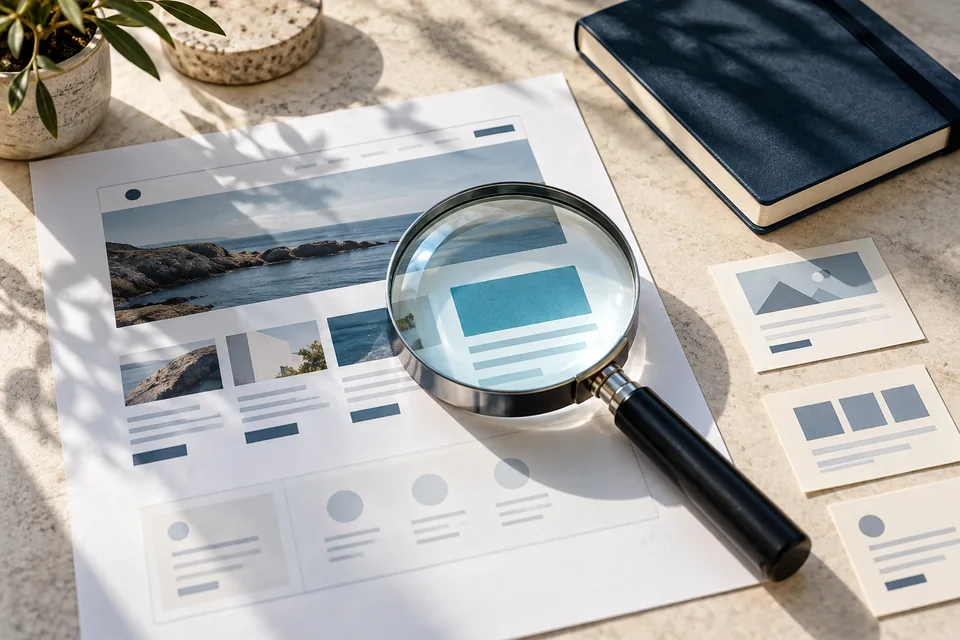 Content & SEO
Clear structure, useful content and relevant links create a sound foundation for search.
Want to see it in action?
Return to the demo, choose a service and city, and watch the page adapt.
Explore the live demo →Official reference: Google Search Central — SEO Starter Guide
From reading to project planning
Location-based personalization starts with real service areas and relevant content. Read about dynamic landing pages to plan the experience and landing page development for implementation and testing. On our homepage, choose a service and location to see the difference.
Further reading: Google's doorway abuse policy
Images in this guide were created with AI for illustration. They do not depict actual clients, team members or campaign results.